
Non-Violent Strategies That Lead To Change
Doing nothing is not an option.

Everyone has spent the past week condemning violence. Pundits, preachers, senators, even the guy in your office who regularly, and unironically, uses the phrase “devil’s advocate”. All unanimous, all wringing their hands and speaking in the same exhausted cadence: violence is bad, violence is tragic, violence solves nothing.
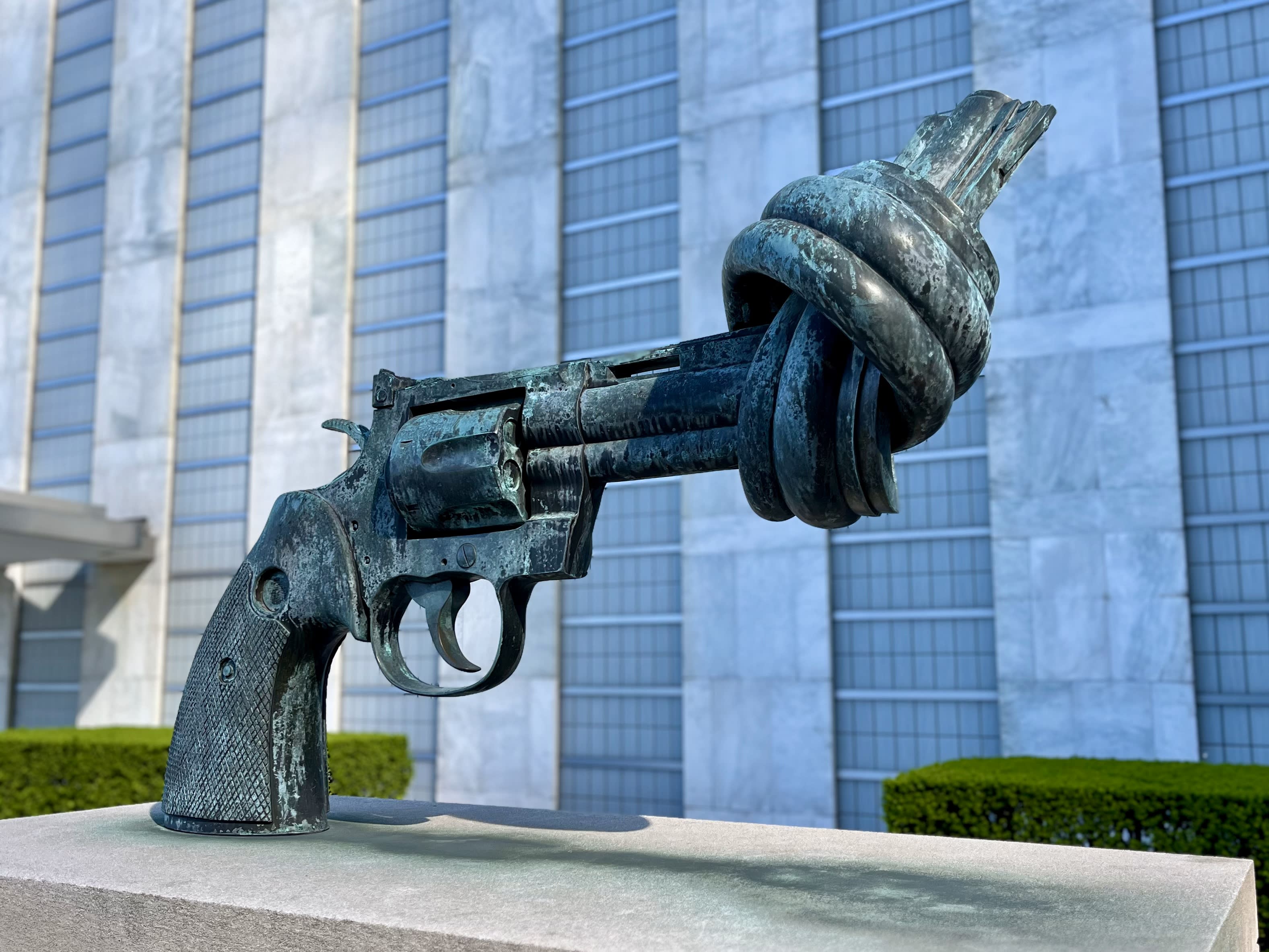
Charlie Kirk is dead, shot on a campus while telling lies, and the nation has risen as one to declare that bullets are not the answer. You’d think this kind of consensus would feel unifying, but it doesn’t. It feels like the moral equivalent of everyone agreeing, loudly, that gravity is real.
Because what’s interesting (ie. depressing) is that not a single one of the public mourners has suggested any real alternative to the problems that produced the context of the killing in the first place. All sane people can agree fascism is, let’s say, suboptimal. And we can all see the nation is in some kind of slow-motion breakdown, half collapse and half cosplay revolution. But when it comes to action, to actual alternatives, the room goes silent. The strategy from those with influence seems to be: condemn violence loudly enough that no one notices you’ve got nothing else to offer.
The thing about doing nothing (the kind of passive, vague nothing that’s actually just scrolling, watching, and voting once every two years then patting yourself on the back for fulfilling your civic obligation) is that it creates a vacuum.
Doing nothing, in politics, is not neutral. It’s not dignified restraint or strategic patience. Doing nothing is actually just… nothing. And nothing, like nature and bad roommates, abhors a vacuum. The vacuum will be filled. And in this country, the vacuum is always filled with guns. Bullets love a power vacuum. They’re cheap, portable, and already waiting on the shelf at your local Walmart.
So, by doing nothing we give violence the first pass at drafting the history books of the country, and I, for one, do not want the future to be written by bullets.
Martin Luther King Jr. understood this in a way we rarely credit. The sanitized MLK™ of elementary school assemblies is a patient man with a dream and a nice baritone voice. The real King was on a first-name basis with prison guards. He broke laws. Constantly. He got arrested. He wasn’t polite; he was a thorn. And the FBI, not exactly known for their oversensitivity, considered him enough of a threat to wiretap his phones and encourage him to kill himself.
Yes, Martin Luther King Jr. believed in nonviolence, but nonviolence, for him, was not passive. It was not a kind of spiritual plane where you exude peace until oppressors are ushered into enlightenment. It was aggressive. It was costly. It was illegal.
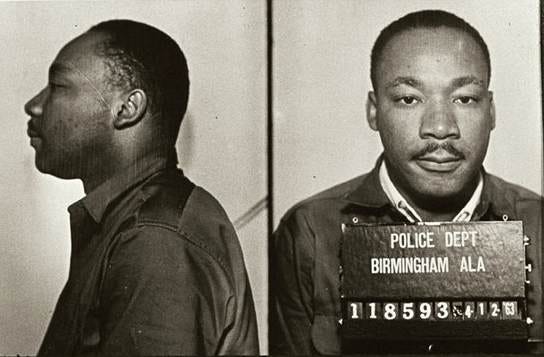
Non-violent resistance doesn't mean being well-behaved. It means to be dangerous without a gun.
This is what gets lost when contemporary liberals wring their hands over “violence.” Because condemning violence is easy. It costs nothing. You can condemn violence while on the toilet. You can condemn violence while doing literally zero to alleviate the conditions that produced it. And you can sleep soundly afterward, believing you’ve upheld the moral high ground, when all you’ve really done is hit “share.”
If your activism consists solely of voting and posting Instagram stories, you don’t get to act shocked when the breaking news is shocking. You have next to no credibility. You have no skin in the game.
You don’t get to stand there, wide-eyed and horrified, when oppressed people finally lash out if you’ve done nothing to help loosen the chains crushing them. That’s not shock, it’s hypocrisy. It’s like watching a starving dog waste away, ignoring its ribs poking through its skin, and then recoiling in righteous disgust the moment it bites a hand. The bite isn’t the scandal. The starvation is. And you don’t get moral credit for scolding the bite while pretending you had nothing to do with the hunger that made it inevitable.
So let’s talk tactics...