

We live by categories. We live by shorthand. We arrange people into types the way we arrange groceries in a cart. And one of those categories, one of those words, is basic.
To call a woman basic is to suggest that she is shallow, unoriginal, interchangeable. That her pleasures are derivative and her interests devoid of meaning. It is a label designed to flatten individuality into caricature. What makes someone basic? The shorthand is easy to recite: pumpkin spice lattes, Taylor Swift, Stanley tumblers, Sarah J. Maas fantasy-romance novels, UGG boots, infinity scarves, and that hat, you know the one.

But we should ask: why are these signifiers (seasonal drinks, popular music, well-designed water bottles, bestselling fiction) considered evidence of intellectual or emotional bankruptcy? And perhaps more importantly: why do men not receive the same derision for their own sanitized and uniform habits?
Male culture is arguably more “basic” than anything women are accused of indulging in, yet it slips by unscathed, unmocked, or even celebrated. It is not called basic because it is considered the default. Jeans, sneakers, ball caps. Polo shirts, khaki shorts, more ball caps. An entire aesthetic uniform, worn from adolescence to late-middle age. The double standard is so entrenched it is almost invisible.
The Gendering of Taste
The word basic works like a kind of cultural checkpoint, a form of gendered policing. It isn’t really about pumpkin spice or pop songs or pastel tumblers. It’s about what those things are understood to mean. Women’s choices are pulled under the microscope, not to evaluate their quality, but to signal that anything shaped by feminine taste, by mass appeal, by comfort, by desire, is automatically suspect.
And notice—these judgments are never neutral. They don’t fall evenly across the spectrum of popular culture. They land squarely on the things women love. Which means they’re not simply critiques of sameness or popularity; they’re critiques of (white) femininity itself. Once something carries the mark of being “for women,” it becomes easier to sneer at, easier to cast aside. .
Men, by contrast, are rarely asked to defend their cultural consumption. What is the male equivalent of pumpkin spice lattes? Hazy IPAs, or the oh-so obligatory bourbon fascination. Do these not strike us as repetitive and unremarkable? Yet no one sneers at a man nursing a craft beer. These habits are normalized, sometimes even elevated, despite their ubiquity, as markers of expertise or even fine taste.
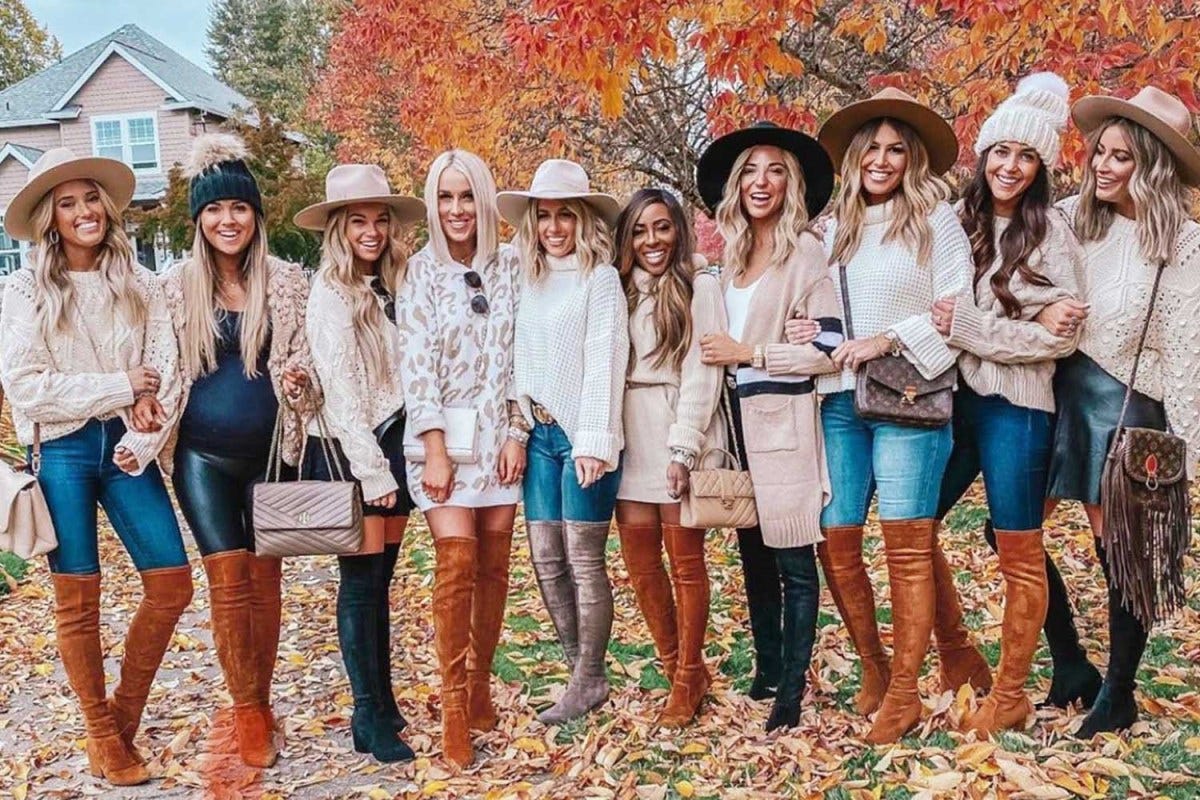
Pumpkin Spice Girls
Let’s focus on the pumpkin spice latte. It has become the ultimate example of basicness, the cultural artifact most associated with the term. Every fall, memes proliferate about “PSL season,” caricatures of yoga-pants-clad women flocking to Starbucks for their fix.
There’s an almost moral disgust embedded in the mockery: how dare women collectively delight in something simple, sweet, and seasonal? The ridicule rarely targets the drink itself. It’s not as if a spiced latte is objectively less valid than, say, a peppermint mocha or a cold brew. What’s being policed is the spectacle of women enjoying themselves without shame.
Contrast this with men’s seasonal rituals. The arrival of fall also means football tailgates and fantasy draft parties. These are mass rituals, predictable and deeply unoriginal, yet escape without any accusation of "basicness"
When we call someone “basic”, we are declaring those tastes illegitimate, unserious, worthy of ridicule. The word carries the faint sneer of superiority that says: this is beneath me. And when the things marked as “basic” are almost exclusively the things women love most visibly and collectively, the word becomes a shorthand for the idea that women’s culture itself is inherently frivolous.
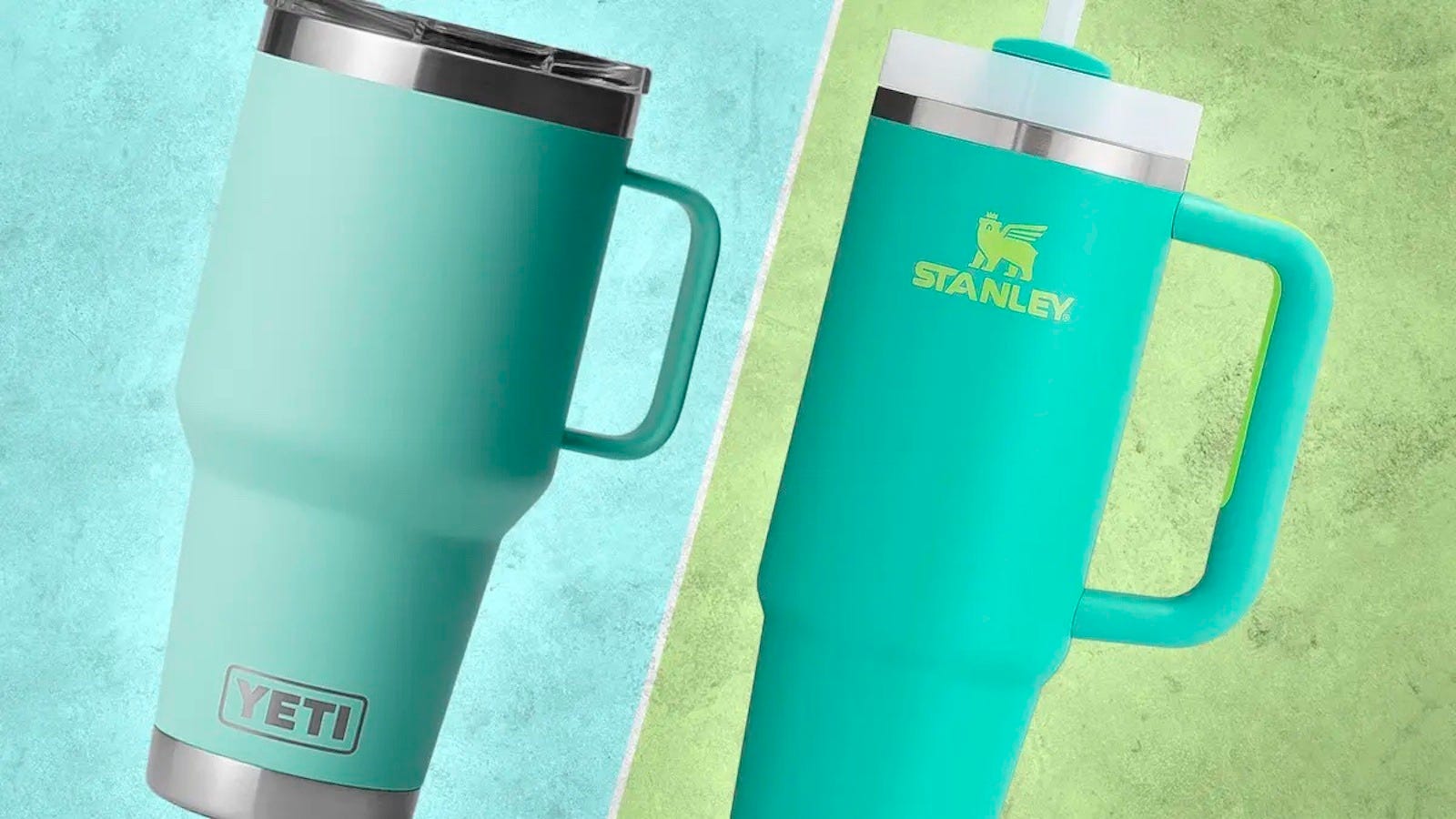
Tumbler Hypocrisy
The Stanley tumbler is a fascinating case study because it is a practical object: a water bottle designed to keep liquids cold. It is durable, it works well, and like many functional products, it became popular through word of mouth. But once women - especially mothers, influencers, and suburban professionals - made it ubiquitous, it became another marker of basicness.
Men have their own containers. The Yeti tumbler, the Hydro Flask, the stainless-steel travel mug. None of these objects are mocked. They are considered practical, durable, sometimes even aspirational. The Yeti cooler, in particular, has become a status object.
All these things hold the same liquid and the same ice and keep them at the same temperature. The only difference is the hand that holds them.
Fantasy Lands
Let's look at the literature of Sarah J. Maas.